
01
FAÇADE
Façade
Rendered, masonry and decorative façades, crack treatment, surface preparation and restoration of architectural elements.
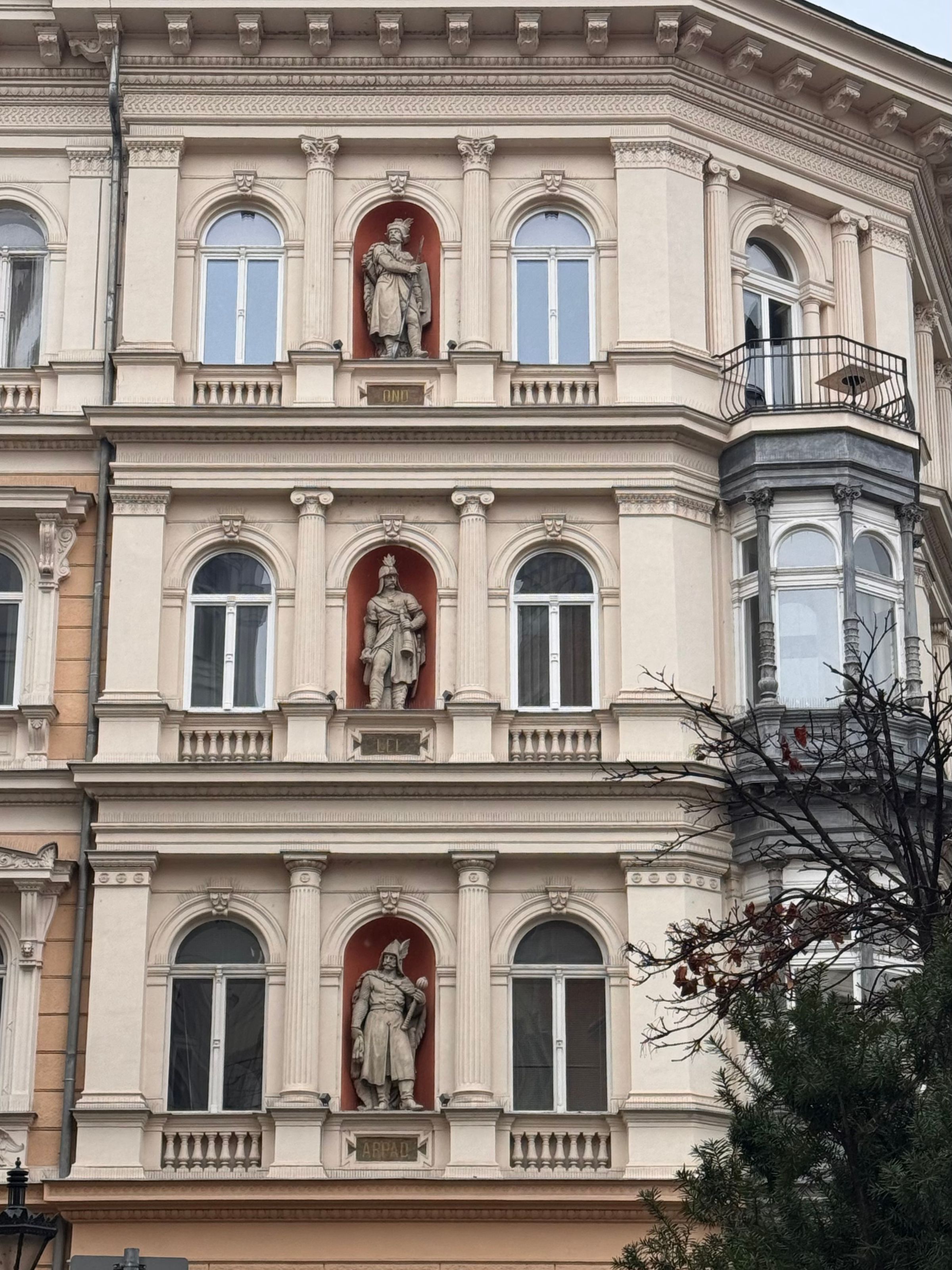
Coordinated refurbishment of urban and character buildings — from façade and structural interventions to roof details, waterproofing, windows, specialist trades and final quality control.
A durable refurbishment begins with understanding why the building has deteriorated.
Existing structures, façade details, water exposure, roof junctions, flashings, windows and technical systems influence one another. They therefore need to be assessed and delivered as one coordinated building system.
Long-term performance depends on more than the finish. Façade, structure, roof, drainage, openings and architectural details must work together — technically and visually.
Rendered, masonry and decorative façades, crack treatment, surface preparation and restoration of architectural elements.
Local structural interventions, concrete repair, masonry strengthening and corrosion-related remedial works.
Roof junctions, flashings, parapets, sheet-metal details and interfaces affecting the external envelope.
Waterproofing, rainwater drainage, moisture-sensitive junctions and details exposed to long-term weathering.
Replacement or refurbishment of windows and doors with coordinated sill, flashing and façade interfaces.
Stone, metalwork, cornices, railings, parapets and character-defining elements integrated into the refurbishment strategy.
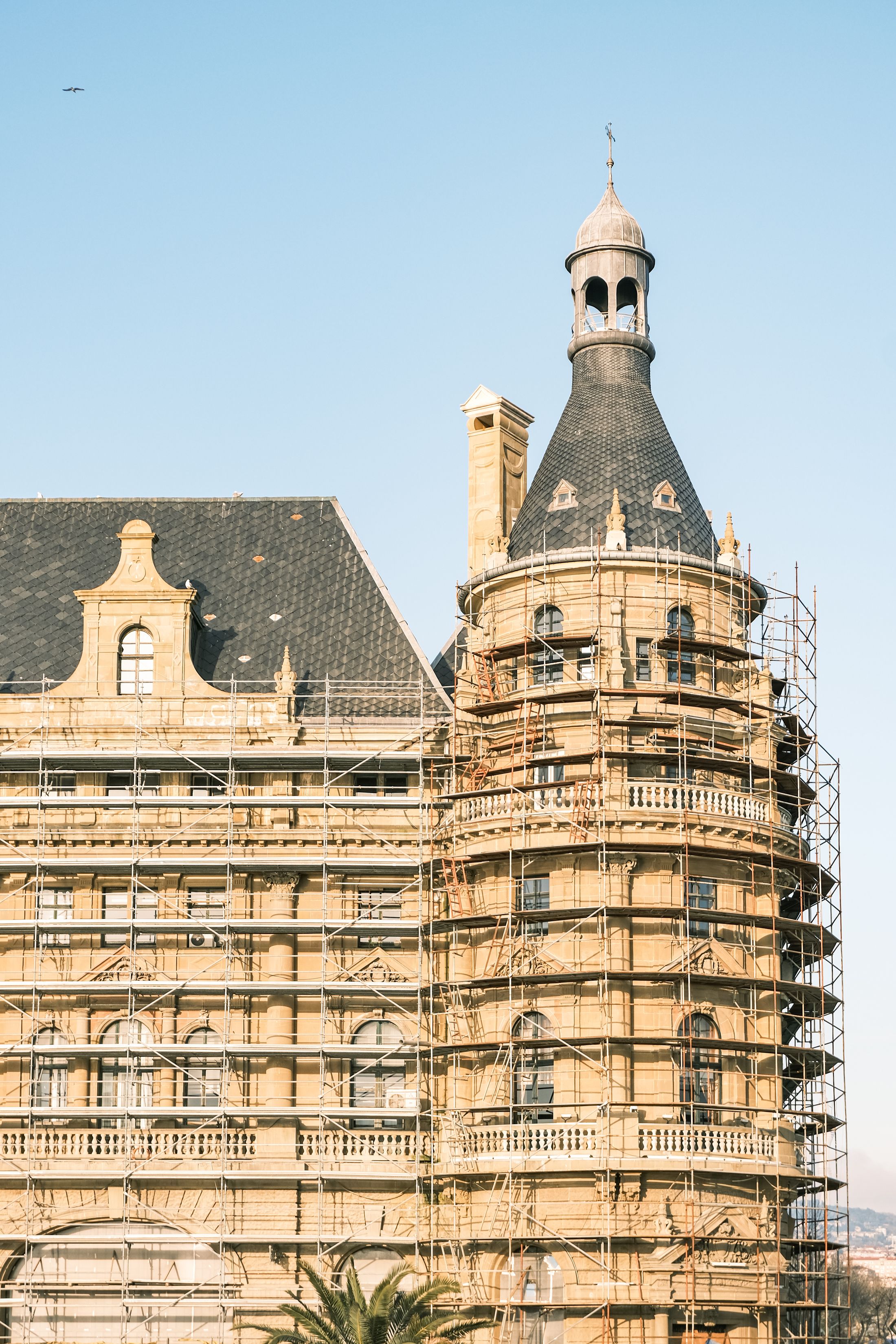
Existing buildings rarely contain only one isolated defect. Visible deterioration may be connected to water ingress, movement, failed junctions, ageing materials or previous interventions. The refurbishment strategy therefore begins with the building's actual condition.
Existing buildings rarely contain isolated defects. Visible deterioration often has deeper technical causes, so the refurbishment strategy begins with understanding the condition, risks and interfaces of the building.
Review of visible defects, cracking, moisture exposure, deterioration, previous repairs and character-defining details.
Interfaces, drainage, failed flashings, structural movement and hidden conditions are reviewed before defining the intervention.
Repair methods, material systems and work sequences are selected according to the actual condition and architectural requirements of the building.
Scaffolding, access, material movement, occupied-building constraints and specialist trade sequences are planned before mobilisation.
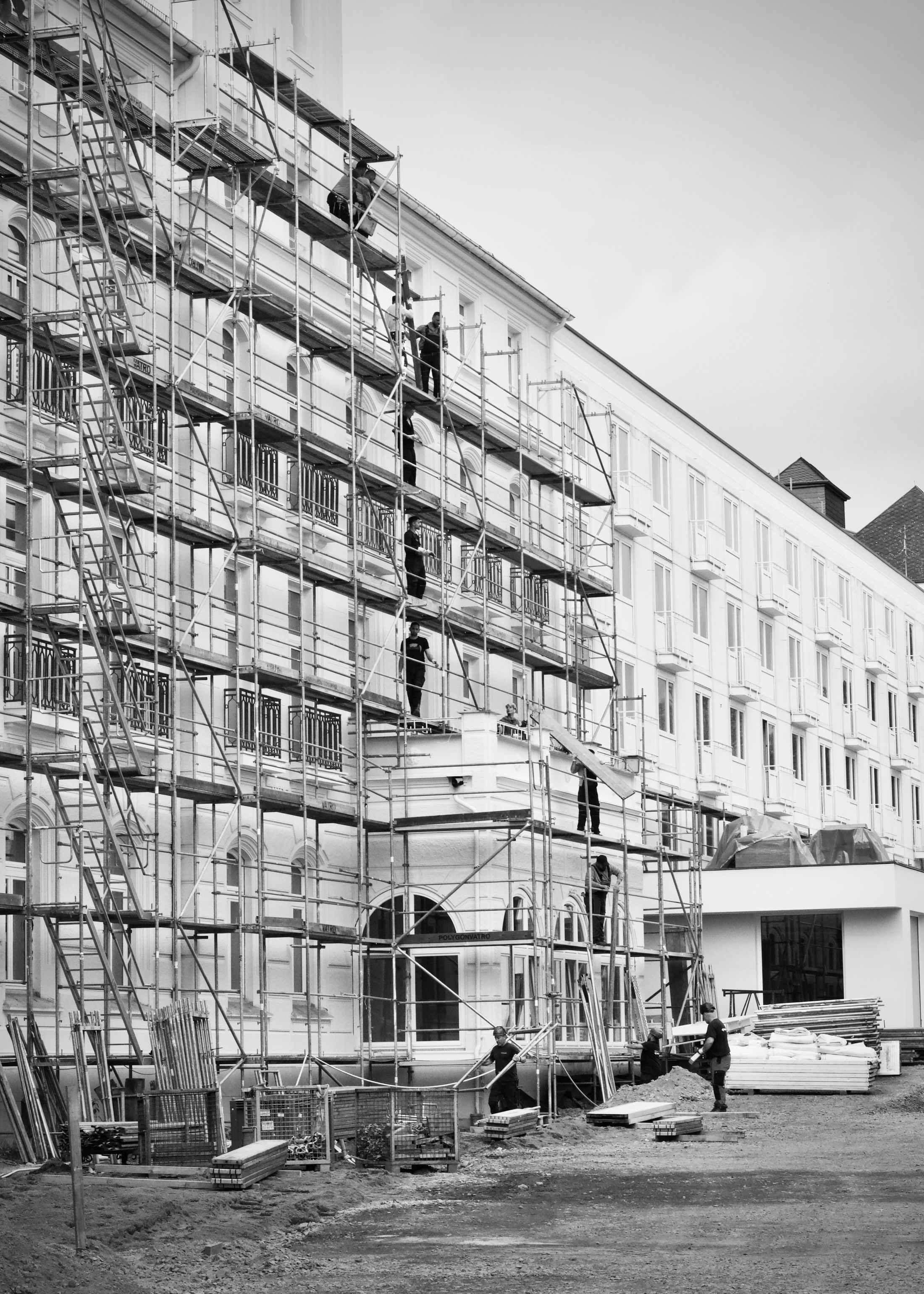
Cracking, staining, moisture and surface deterioration often originate from failed junctions, water ingress, structural movement or ageing materials. A durable refurbishment requires the cause and the visible symptom to be treated together.
Material choice is part of the technical strategy. Compatibility with the existing substrate, exposure, appearance and long-term maintenance all influence the final specification.

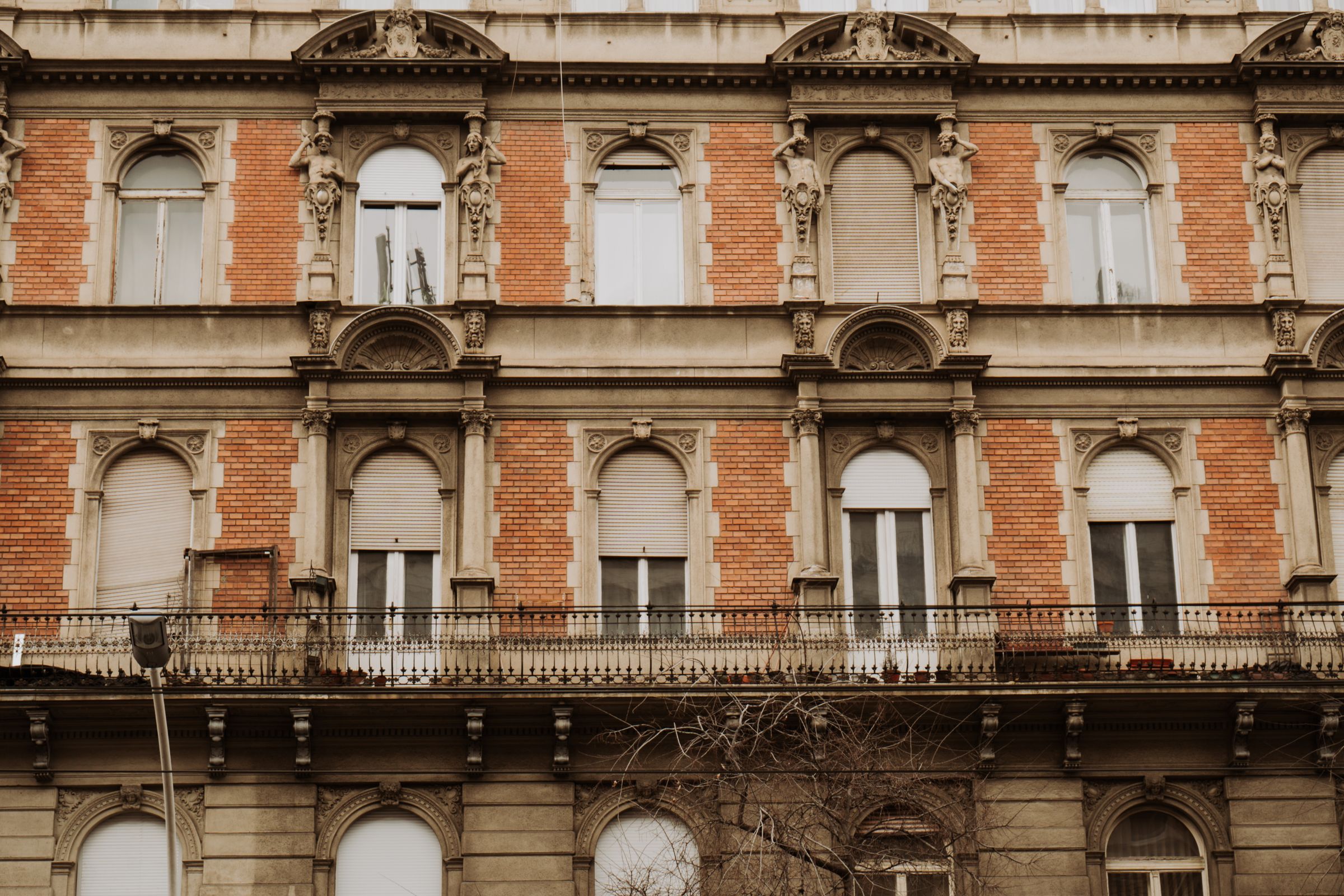
Existing buildings can reveal conditions that were not visible during preparation. Site inspections, trade coordination and documented decisions are therefore part of the refurbishment process throughout delivery.
Existing-building projects require decisions in the right order. Survey, technical preparation, mobilisation, construction and handover are managed as connected stages of one refurbishment process.
Existing condition, visible defects, critical junctions and project constraints are reviewed before defining the scope.
Repair methods, materials, specialist trades, site access and work sequence are coordinated before mobilisation.
Scaffolding, protection, site logistics and temporary access systems are established for controlled delivery.
Specialist trades are coordinated with continuous technical review of interfaces and newly uncovered conditions.
Final inspections, defect resolution and documentation close the refurbishment in a controlled manner.

Refurbishment in dense urban environments requires more than construction. Access, residents, tenants, pedestrian areas, deliveries, noise, temporary protections and specialist trades all need to be coordinated.
Many of the most important refurbishment details are no longer visible after completion.
Junctions, substrate preparation, waterproofing, anchors, flashings and concealed interfaces are therefore reviewed during construction — not only at final handover.
The questions that most often arise before façade and existing-building refurbishment projects.
Send us the building information, available documentation, photographs and known technical issues. We will review the project and the appropriate next step.